












The Institute for Applied Photogrammetry and Geoinformatics (IAPG)

The Institute for Applied Photogrammetry and Geoinformatics (IAPG) is part of the Department of Geoinformation. Application-oriented education, research and development in photogrammetry, geoinformatics and related areas are its main fields of activity. The IAPG constitutes on successful accomplished projects and long-time contacts to cooperating universities, public authorities and companies.
  • The photogrammetry and optical 3D metrology group focuses on acquisition, processing and visualization of 3D imaging systems.
  • The geovisualization and cartography team develops user-specific methods for visualizing complex spatial and temporal information.
  • The geoinformatics group is specialized in the management and processing of digital spatial and spatiotemporal data.
  • The economic and business GIS team analyses time-spatial structures and processes of economic activities.
  • The working group geodata analysis investigates complex, mostly spatially related questions based on data in order to support decision making and generate new knowledge from data.
News

Jade Hochschule startet mit 7,7 Millionen Euro in die KI-Zukunft

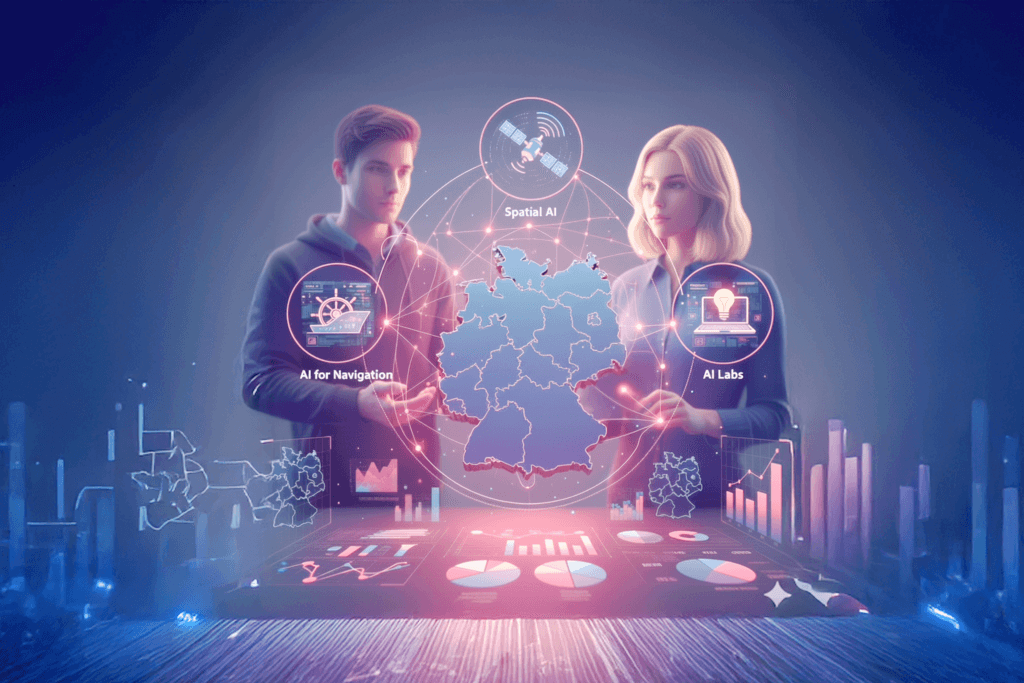
(Foto: Jade HS/KI-generiert mit Gemini) Mit dem Forschungsprojekt „Potenziale strategisch entfalten“, das mit 7,7 Millionen Euro aus Mitteln des Niedersächsischen Ministeriums für Wissenschaft und Kultur und der VolkswagenStiftung gefördet wird, geht die Jade Hochschule einen entscheidenden Schritt hin zur Entwicklung einer Identität als KI-Hochschule. Teil von „Potenziale strategisch entfalten“ ist der Aufbau eines Spatial AI Centers.

Wie KI die Museen von morgen gestaltet

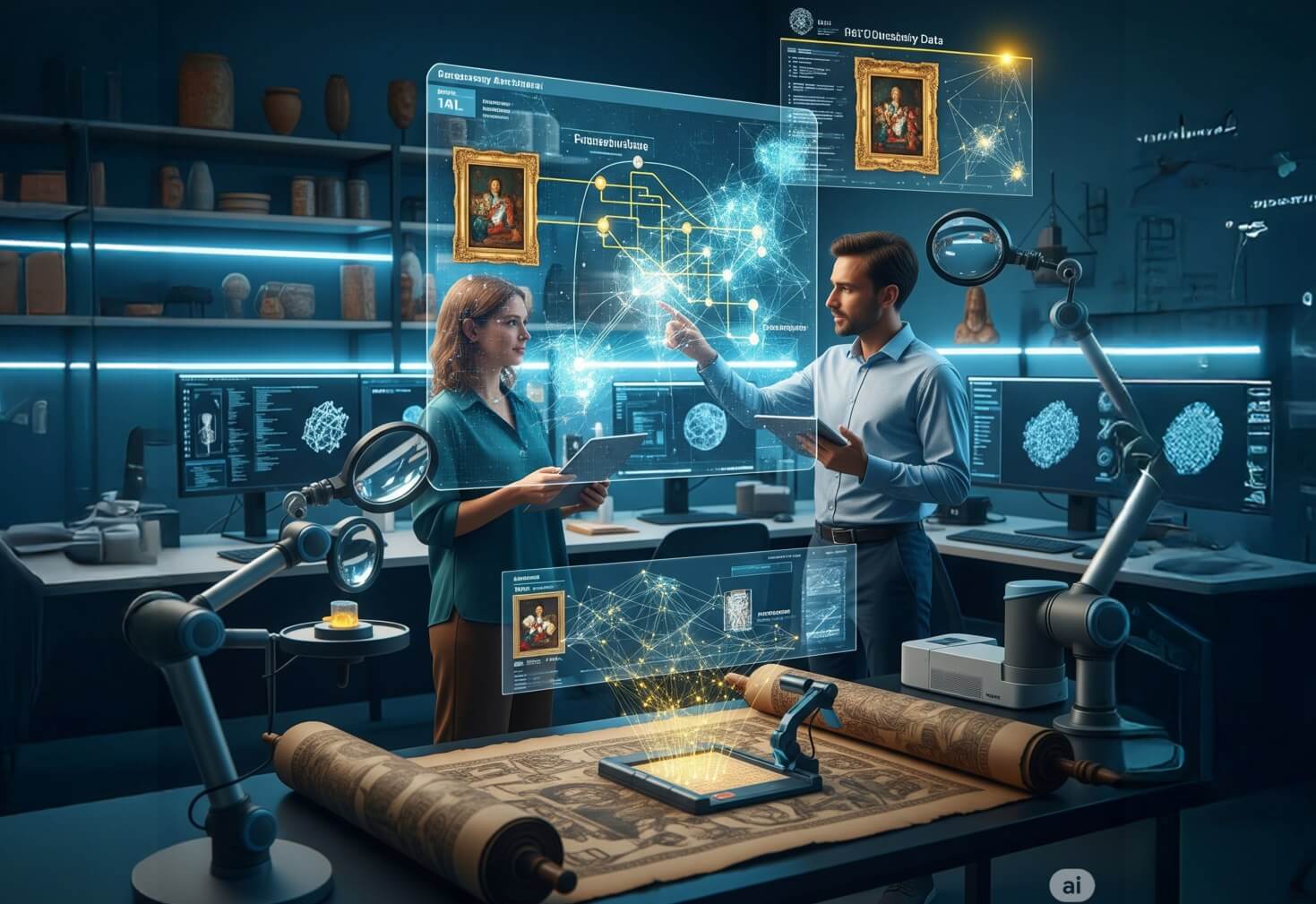
(Bild: Jade HS/Fokko Mittelstaedt, KI-generiert) Museen bewahren nicht nur wertvolle Objekte, sie sind auch Orte des Wissens. Doch ein Großteil dieses Wissens bleibt bislang im Verborgenen. Mithilfe von Künstlicher Intelligenz (KI) soll die Erschließung, Analyse und Präsentation von Museumsdaten im neuen Projekt KI in Museen entscheidend vorangebracht werden.

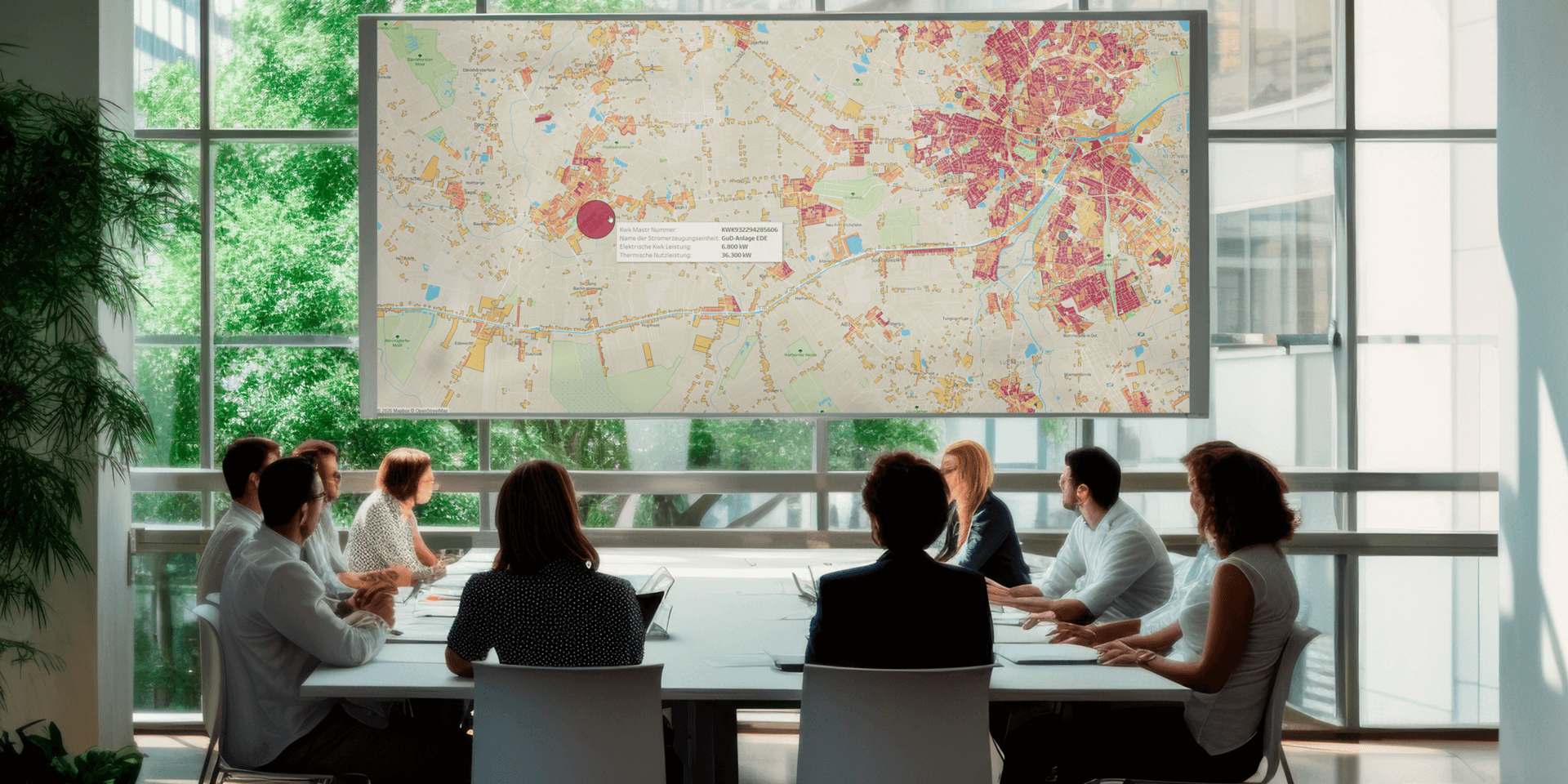
Die Wärmewende mit Digitalisierung anschieben

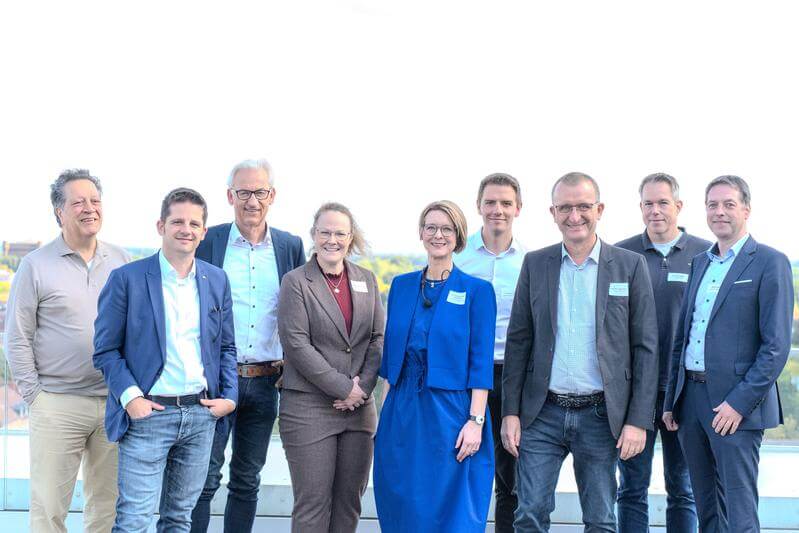
(Foto:  HSB / Marina Pister) „Das Projekt endet – der Impact geht weiter“: Mit einem positiven Ausblick auf die Effekte der Digitalisierung für Wärmewende- und Mehrwertanwendungen zog die Abschlusskonferenz des Forschungsprojekts WärmewendeNordwest (WWNW) mit rund 100 Teilnehmenden eine erste gemeinsame Bilanz.